
Top 2026 Fantasy Baseball Mock Draft Trends: What Early ADP Signals About Your Draft Strategy
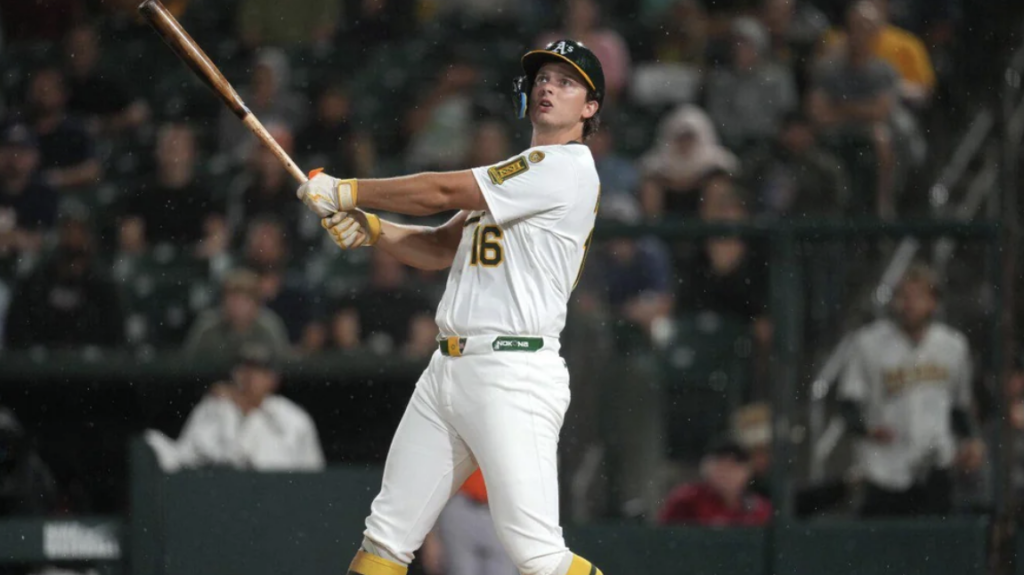
Early 2026 Fantasy Baseball Mock Drafts are already shaping how fantasy managers approach roster construction, positional value, and risk tolerance. By examining early Average Draft Position movement across U.S. leagues, clear patterns are emerging around pitching prioritization, middle-infield scarcity, and continued hesitation around closers. These draft behaviors reveal how managers are reacting to recent seasons and adjusting strategy in response to perceived stability, volatility, and replacement value rather than relying solely on traditional rankings.
Thank you for reading this post, don't forget to subscribe!Early ADP Movement as a Strategic Signal
Early ADP data functions as a living market rather than a static ranking sheet. As more mock drafts are completed, fantasy managers collectively show what they fear missing out on and what they believe creates weekly consistency. ADP movement reflects thousands of individual draft decisions shaped by category scarcity, positional depth, and long-term roster balance. In early 2026 drafts, managers are responding quickly to perceived shortages rather than waiting for value to fall. Pitching is moving earlier, middle infielders are being pulled up boards, and closers continue to slide. These movements illustrate how draft rooms influence one another as trends reinforce themselves and accelerate market shifts.
Pitching Rising into the Early Rounds
One of the most noticeable trends in early 2026 drafts is the aggressive rise of elite pitchers into the first few rounds. Fantasy managers are placing a premium on strikeout stability and innings volume, viewing reliable pitching as a foundation rather than a luxury. This shift reflects lessons learned from recent seasons where streaming arms and waiver-wire replacements failed to provide consistency. Managers are increasingly comfortable passing on elite hitters early to secure pitchers who can anchor ratios, accumulate strikeouts, and log dependable workloads. As a result, early-round pitching selections are no longer seen as risky deviations from optimal strategy but as calculated investments in season-long stability.
Draft Psychology Behind Pitching Emphasis
The push toward early pitching reveals a broader psychological shift within draft rooms. Managers are displaying increased risk aversion, influenced by injuries, innings limits, and bullpen chaos from recent years. When early draft rooms begin selecting pitchers aggressively, it creates a domino effect where remaining managers feel pressure to respond. This draft psychology accelerates ADP movement, turning what might begin as a few early selections into a widespread trend. Pitching emphasis in 2026 is less about chasing upside and more about avoiding the uncertainty that follows once the top tiers are gone.
Middle Infield Scarcity Driving Early Picks
Middle infield scarcity is playing a major role in shaping early ADP movement. Shortstop and second base options that contribute across multiple categories are being drafted earlier as managers attempt to lock in positional advantage. Unlike corner infield or outfield positions, the talent pool at middle infield thins rapidly, making replacement value a significant concern. Managers are reacting by pushing average draft positions upward, preferring to secure reliable production early rather than gamble on later options. This trend highlights how positional scarcity, rather than pure talent ranking, is driving draft decisions in 2026.
Closers Still Being Undervalued Late
Despite years of evidence highlighting save volatility, closers continue to be undervalued in early 2026 drafts. Fantasy managers remain reluctant to invest early capital in a role defined by instability and managerial unpredictability. Even established closers are often passed over in favor of starters or everyday hitters, reinforcing the long-standing belief that saves can be patched together later. This approach creates late-round opportunities but also ensures that bullpen volatility remains a weekly challenge. The persistent discounting of closers shows that draft psychology around saves has not materially changed, even as other positions shift dramatically.
What ADP Patterns Reveal About Positional Value
Early ADP trends provide insight into how managers currently define value rather than how rankings suggest it should be defined. Pitchers and middle infielders are being elevated because they are perceived as difficult to replace, while traditionally popular power positions are being deprioritized. Managers are weighing positional scarcity and reliability more heavily than raw category totals. This recalibration reflects a growing understanding that winning fantasy leagues often depends on minimizing weaknesses rather than maximizing isolated strengths.
Early-Round Draft Strategy: Rounds 1–3
The opening rounds of 2026 drafts emphasize structure and stability over speculative upside. Elite pitchers are now legitimate first-round considerations alongside top hitters, reshaping how managers build their roster cores. Middle infielders are also coming off the board earlier, altering traditional draft starts that focused heavily on corner infield power. These rounds are being used to establish category floors, positional security, and long-term reliability. Managers appear less interested in headline potential and more focused on building a foundation that limits exposure to volatility.
Middle-Round Draft Strategy: Rounds 4–7
Rounds four through seven are where early draft decisions begin to compound. Managers who invested heavily in pitching early often shift toward offense depth, while those who waited on arms scramble to stabilize their rotations. ADP movement in this range is highly reactive, with managers chasing positional runs and responding to perceived shortages rather than following pre-draft plans. These rounds reward flexibility and preparation, as rigid draft scripts are frequently abandoned when market pressure mounts.
Late-Round Strategy and Market Inefficiencies
Late rounds continue to reveal persistent inefficiencies, particularly around bullpen roles. Closers and speculative saves options are routinely passed over in favor of upside bench bats, even though historical volatility suggests caution. Managers are willing to accept uncertainty late, believing flexibility outweighs defined roles. This behavior creates pockets of value for attentive drafters but also increases the importance of active in-season management. Late ADP trends confirm that risk tolerance rises sharply once perceived core needs are met.
Anchor Insight from Active Draft Rooms
As early draft rooms continue to take shape, insights pulled from a well-structured Fantasy Baseball Mock Draft reveal how quickly pitching depth and middle-infield scarcity are influencing Average Draft Position trends across U.S. leagues. These draft rooms act as real-time feedback loops, where collective decision-making reshapes strategy faster than preseason rankings can adjust. ADP has become a driver of urgency rather than a passive reference, forcing managers to adapt quickly or risk falling behind positional runs.
Strategic Takeaways for 2026 Drafts
The central takeaway from early 2026 ADP trends is the importance of adaptability. Managers who understand why pitching is rising, why middle infield scarcity matters, and why closers remain discounted can exploit inefficiencies rather than react to them. Draft success in 2026 will depend on recognizing these patterns early and constructing flexible strategies that evolve with the room. Rather than following ADP blindly, the most successful managers will use it as a tool to anticipate market shifts and stay one step ahead throughout the draft.
