
Social vs. Standard: Which model offers more value for the modern sports fan?
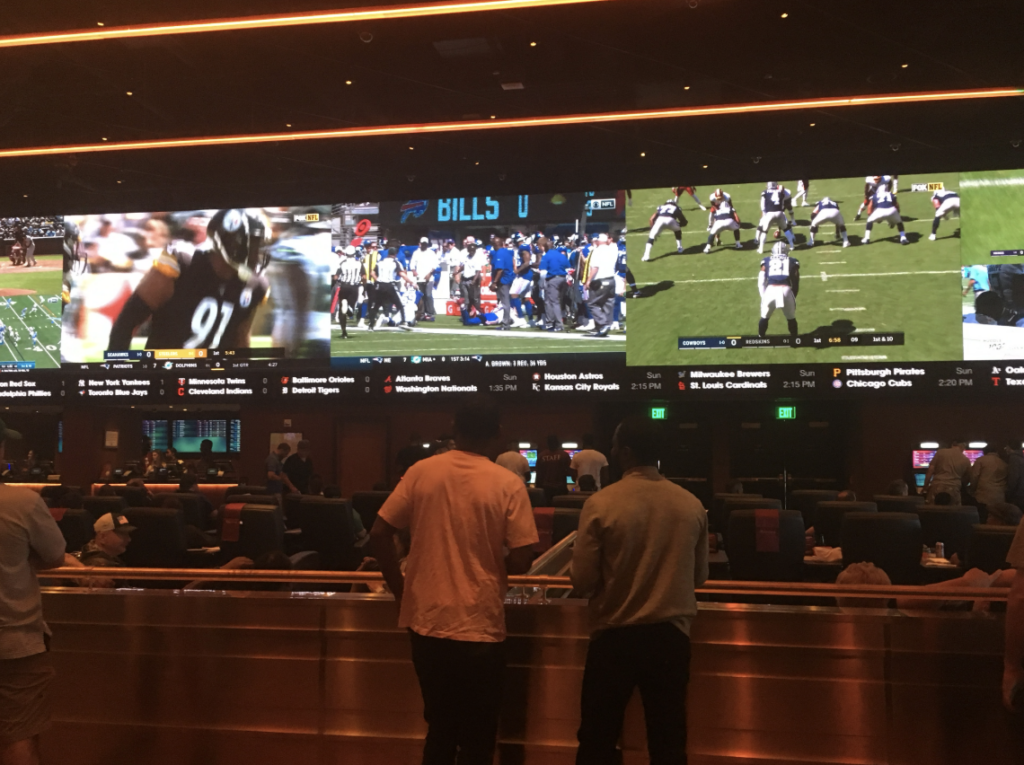
The question didn’t exist five years ago. Now it’s the one every engaged sports fan in the US eventually lands on: real money, or virtual coins?
Thank you for reading this post, don't forget to subscribe!Standard sportsbooks want your wallet. Social sportsbooks want your time. Both promise a path to cash. Understanding which one actually delivers means looking past the welcome bonuses and asking what each model is built to do.
Two models, one game
A standard sportsbook operates exactly as it sounds. You deposit real money, place wagers on real sports events, and collect real payouts when you win. These platforms are legal in more than 30 US states since the Supreme Court struck down PASPA in May 2018, though most require users to be 21 and older and ask for a Social Security Number during registration.
Social sportsbooks work differently. Rather than direct money deposits, they run on virtual currencies, typically Gold Coins for casual play and Sweeps Coins that can be redeemed for actual cash prizes. You receive free coins at sign-up, purchase additional coin packages if you want more, and make picks on real sports events using those virtual stakes. Fliff, which launched in June 2019 before most others had entered the category, was among the first platforms to build a meaningful user base on this model.
The odds look similar. The sports coverage is comparable. The experience of choosing a moneyline or building a parlay is essentially identical. The legal classification is not.
What you actually get
On price alone, standard sportsbooks win. The best real-money platforms typically offer around a 20-cent line, roughly -110 on both sides of a spread, while social sportsbooks commonly run wider margins, closer to the 40-cent range. That gap doesn’t feel significant on a single bet. Over weeks of action, it adds up in a way that favors the house.
Bonuses skew the other way. Social sportsbooks distribute free coins with a generosity that real-money books rarely match. The regulatory constraints limiting promotions on traditional platforms don’t apply the same way to sweepstakes operators, so a new sign-up at a social book can sit down with a substantial play currency balance before making any purchase. For someone who wants to test picks without financial exposure, that’s not a small thing.
For a thorough breakdown of which platforms lead each category, click here for more information.
The redemption mechanics matter too. Sweeps Coins on platforms like Fliff convert to cash at a 1:1 rate, with a $50 minimum withdrawal, but only after clearing playthrough requirements and passing identity verification. Winnable, yes. It just demands patience and volume that a casual fan may not sustain.
The accessibility argument
This is where social sportsbooks make their strongest case. Standard sportsbooks need a state-level regulatory framework to operate legally, which means roughly 20 US states, including California and Texas, two of the largest sports markets in the country, have no legal real-money betting. Social sportsbooks, operating under federal sweepstakes law rather than gambling regulations, are available in more than 33 states, including most where a traditional book cannot legally take your money.
For a fan in Georgia or Alabama, a social sportsbook isn’t a consolation prize. It’s the only option that gets close to the experience.
That said, the regulatory picture is shifting fast. California banned social sportsbook-style platforms under Assembly Bill 831, signed by Governor Newsom in October 2025 and effective January 1, 2026. Connecticut followed with its own ban, which took effect October 1, 2025. As more states draw harder lines around the dual-currency sweepstakes model, the geographic advantage of social books narrows. A platform available in 33 states today may operate in fewer by year’s end.
Where the value sits
The peer-to-peer end of this space tells a different story. Platforms like BettorEdge operate as betting exchanges, where users set prices against each other rather than against a house. According to BettorEdge’s own data, users on their platform carry a 40% profitability rate, compared to roughly 2% for bettors on traditional sportsbooks. The company attributes that gap to removing the vig: when there’s no built-in house edge baked into every line, winning becomes structurally more achievable.
Standard sportsbooks carry that edge by design. The business model depends on it.
Social sportsbooks, by contrast, are built around engagement rather than extraction. The Gold Coin layer has no cash value and costs the operator almost nothing to distribute. It keeps casual fans active longer, at lower risk. The Sweeps Coin layer, the part redeemable for real prizes, is where actual cost sits, and where operators set their own margins.
For fans who want the sharpest possible odds and a realistic shot at long-term profit, the peer-to-peer and exchange models outperform both traditional and social sportsbooks. For fans who want broad sports coverage, a polished app, and the weight of a real wager behind their picks, a standard sportsbook remains the practical choice. For fans locked out of legal real-money betting, the social model delivers something genuine, just not without its own fine print.
No model is built primarily for your benefit. The one that offers more value is the one that fits how you actually watch sports.
