
Preakness Stakes 2026 Preview: What to Know Ahead of Race Day
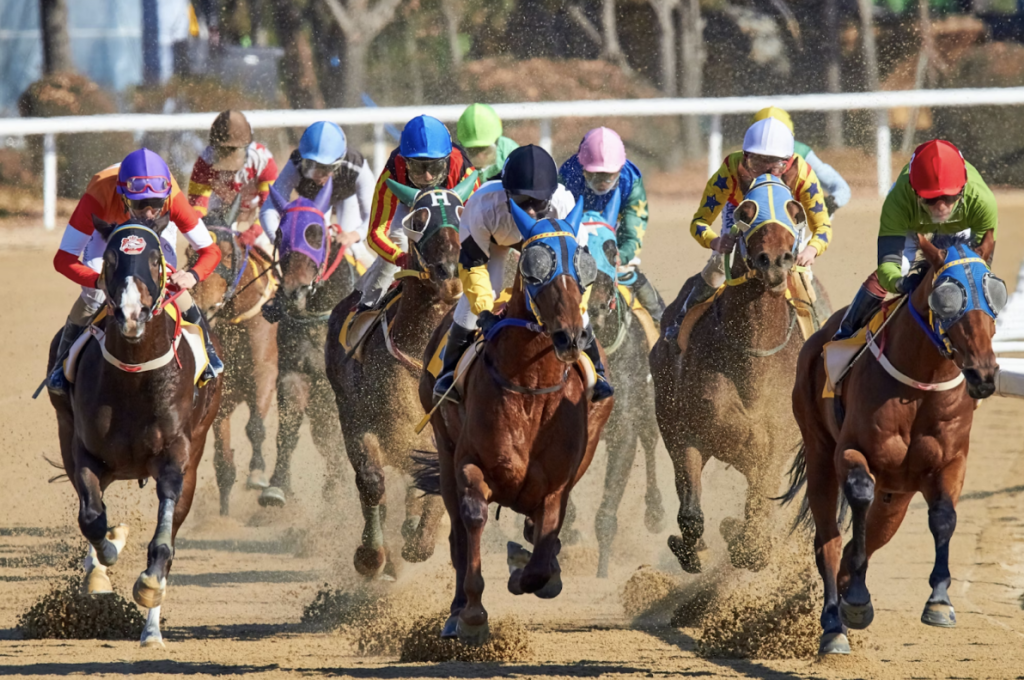
The Preakness Stakes has always been a race built on momentum; just two weeks after the Kentucky Derby, the story either continues or resets. In 2026, that familiar rhythm comes with an unexpected twist. For the first time in over a century, the race will not be held at Pimlico.
This year’s edition isn’t just another chapter in Triple Crown history. It’s a rare transition moment, shaped by a new venue, shifting dynamics, and a traveling Triple Crown schedule across three different tracks, and a sense that anything could happen once the gates open.
Key Details to Know
Before diving into storylines and strategy, it helps to ground everything in the essentials. These core details provide important context for understanding race dynamics. The framework of the race shapes how it unfolds.
The essential race details every fan should know:
- Date: Saturday, May 16, 2026,
- Location: Laurel Park, Maryland,
- Post Time: Around 6:45–7:00 PM ET,
- Distance: 1 3/16 miles (9.5 furlongs),
- Surface: Dirt,
- Purse: $2 million,
- Broadcast: NBC and Peacock.
That 1 3/16-mile distance stands out. It’s shorter than the Kentucky Derby, which often leads to quicker, more tactical races. Timing matters just as much. With only two weeks between races, recovery and preparation become central themes.
A Historic Shift: The Move to Laurel Park
The biggest storyline heading into 2026 is hard to ignore. With Pimlico Race Course undergoing a major redevelopment, this year’s Preakness shifts to Laurel Park, making it one of the most unusual editions in modern Triple Crown history.
Laurel Park brings a different feel, being notably more intimate. Its smaller capacity creates a tighter atmosphere, and while the track is considered fair, it lacks the familiar characteristics horses and trainers have come to expect from Pimlico.
A shift like this introduces real uncertainty. Horses must adjust to a new surface, different turns, and unfamiliar surroundings, where even subtle changes can affect positioning and pace. In a race decided by fine margins, those differences can meaningfully shape the outcome.
The Preakness as the Turning Point of the Triple Crown
Every Triple Crown season hinges on this race. The Kentucky Derby sets the stage, but the Preakness determines whether the story continues or resets entirely, shaping the direction of the final leg at Belmont.
Runners typically arrive via two paths. Some come straight from the Derby, bringing both momentum and the challenge of a quick turnaround. Others skip the first leg, entering with fresher legs and a more targeted build-up to this race.
What’s at stake is immediate and significant. A Derby winner can keep the Triple Crown dream alive with another victory, while a loss shifts the narrative completely. Attention turns, expectations change, and the Belmont Stakes becomes a different kind of test.
The Deciding Factors on Race Day
Understanding the Preakness means understanding how it tends to unfold. The race rewards certain traits more consistently than others.
Speed and Positioning Take Priority
A shorter distance often favors horses that stay close to the pace. Front-runners and stalkers, those sitting just off the lead, have historically held the advantage. Deep closers face a tougher challenge in making up ground.
The 14-Day Recovery Challenge
Two weeks is not much time to recover from the intensity of the Derby. Horses that ran hard in Louisville must rebound quickly. Fresh entrants, meanwhile, benefit from additional rest and focused preparation.
Track Conditions and Race Shape
Surface conditions can change everything. A dry track favors speed, while a wet surface adds unpredictability, and Laurel Park introduces further variation. In the end, results often hinge on tactical speed, recovery, and race-day track conditions.
Reading the Build-Up: Signals That Shape Expectations
The days leading up to the Preakness often feel like a slow reveal. Information trickles in, narratives form, and the picture sharpens with each update, as final preparations and race-week developments come into focus.
Coverage builds throughout race week, with analysts breaking down training, track conditions, and key patterns. Social media adds another layer, offering behind-the-scenes glimpses that help shape the broader conversation.
Certain signals tend to carry more weight than others:
- Recent prep race performances,
- Trainer and jockey experience in big races,
- Subtle shifts in expectations as race day approaches.
As expectations evolve, FanDuel Preakness odds provide a real-time look at how the field is priced, based on recent performances and market movement, reflecting shifting confidence levels and where attention is building ahead of race day.
Race Day Viewing Guide: What to Watch and When
Even for those watching from home, the Preakness delivers a full day of racing and storytelling. Knowing what to look for makes the experience far richer.
When and Where to Tune In
Coverage typically builds throughout the afternoon on NBC, leading into extended pre-race analysis and commentary segments, with the main event scheduled for early evening. Peacock offers streaming access, often including additional races earlier in the day.
Key Moments During the Race
The break from the gate sets the tone. Early positioning often dictates strategy, especially at this distance. Mid-race pacing becomes the next focal point, followed by the final stretch where positioning, stamina, and timing collide.
Joining the Conversation
Fans engage across multiple platforms, creating a real-time shared viewing experience. Social media fills with reactions, analysis, and clips, while conversations unfold as the race develops, turning a two-minute event into a shared experience.
Why 2026 Stands Apart From a Typical Preakness
Several factors combine to make this year uniquely compelling, setting it apart from a typical Triple Crown season. The move to Laurel Park alone would be enough, but it’s only part of the story.
The entire Triple Crown takes on a traveling format in 2026. With the Belmont Stakes also relocating temporarily, each race presents a new environment. Horses and trainers must adapt quickly, navigating unfamiliar settings across all three legs.
Uncertainty follows naturally, as multiple changes disrupt the usual race-day expectations. Familiar patterns become less reliable, and small advantages, track familiarity, recovery timing, and positioning carry even more weight.
A Rare Chapter in Triple Crown History
Moments like this don’t come around often. The Preakness Stakes remains steeped in tradition, yet 2026 offers something different, with a rare venue change in play, a fresh setting, new variables, and a sense of unpredictability that adds to the intrigue.
Race day will still deliver the same essentials: speed, tension, and the possibility of history unfolding in real time. This time, though, it all happens on unfamiliar ground, making the journey to the finish line feel just a little more open and a lot more interesting.
